Table of Contents
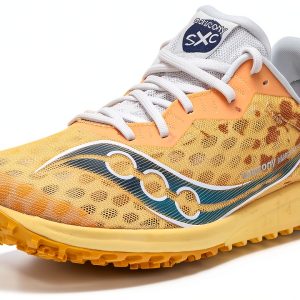
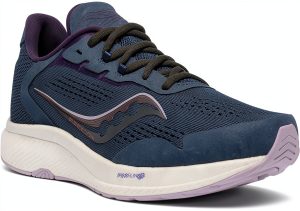
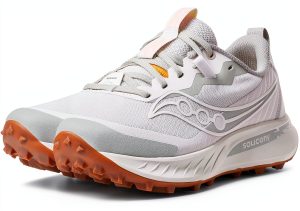
Searching for women’s cross country shoes that actually deliver on their promises feels like navigating a minefield of marketing claims. As someone who’s logged hundreds of miles across muddy trails, grassy courses, and everything in between, I’ve learned that lightweight and durable rarely coexist—until you find that rare pair that gets the balance right.
The Saucony Women’s Cross Country Shoes promise exactly this elusive combination: featherlight performance without sacrificing longevity. But in a market crowded with specialized racing flats and rugged trail shoes, where do these actually fit? More importantly, will they survive an entire season of hard training and competitive racing?
After putting these through their paces across varied terrain and conditions, I’m breaking down the real performance you can expect—not just the spec sheet highlights.
Key Takeaways
- Exceptional weight-to-durability ratio – At just 4.6 ounces, they compete with racing flats while offering better protection
- Versatile traction system that grips well on grass and dirt but struggles on technical trails
- True-to-size women’s specific fit with adequate arch support for moderate mileage
- Best value proposition for high school and college athletes needing one shoe for training and racing
- Limited technical terrain capability – these excel on cross country courses, not mountain trails
Quick Verdict
Best for: High school and college cross country runners, recreational trail runners seeking lightweight performance, athletes needing one shoe for both training and racing.
Not ideal for: Technical mountain trail running, runners requiring maximum cushioning for long distances, wide-footed athletes needing extra room.
Core strengths: The weight-to-protection balance is genuinely impressive. At 4.6 ounces, they feel like racing flats during speed work yet provide enough underfoot protection for daily training. The traction pattern works exceptionally well on the mixed surfaces typical of cross country courses—grass, dirt, and light gravel. For the price point, the construction quality exceeds expectations.
Core weaknesses: The breathable upper comes at the cost of water resistance—these offer zero protection in wet conditions. The cushioning, while adequate for cross country distances, becomes noticeably firm beyond 8-10 miles on hard surfaces. The fit runs slightly narrow through the midfoot, which could be problematic for runners with wider feet.
Product Overview & Specifications
Saucony positions these cross country shoes as a hybrid solution—light enough for competitive racing yet durable enough for daily training. This dual-purpose approach makes practical sense for athletes who can’t maintain separate racing and training shoe rotations.
The 4.6-ounce weight places them squarely in racing flat territory, yet the outsole rubber coverage and upper construction suggest more durability than typical race-day-only footwear. Having tested numerous specialized cross country spikes and racing flats that disintegrate after one season, this balanced approach addresses a real pain point for budget-conscious athletes.
| Specification | Details |
|---|---|
| Model Number | S19081-232 |
| Weight | 4.6 ounces |
| Package Dimensions | 11.89 x 7.09 x 4.61 inches |
| Manufacturer | Saucony |
| Best Use Cases | Cross country racing, trail training, track workouts |
| Key Innovation | Lightweight durability for training-to-racing transition |
Real-World Performance & Feature Analysis
Design & Build Quality
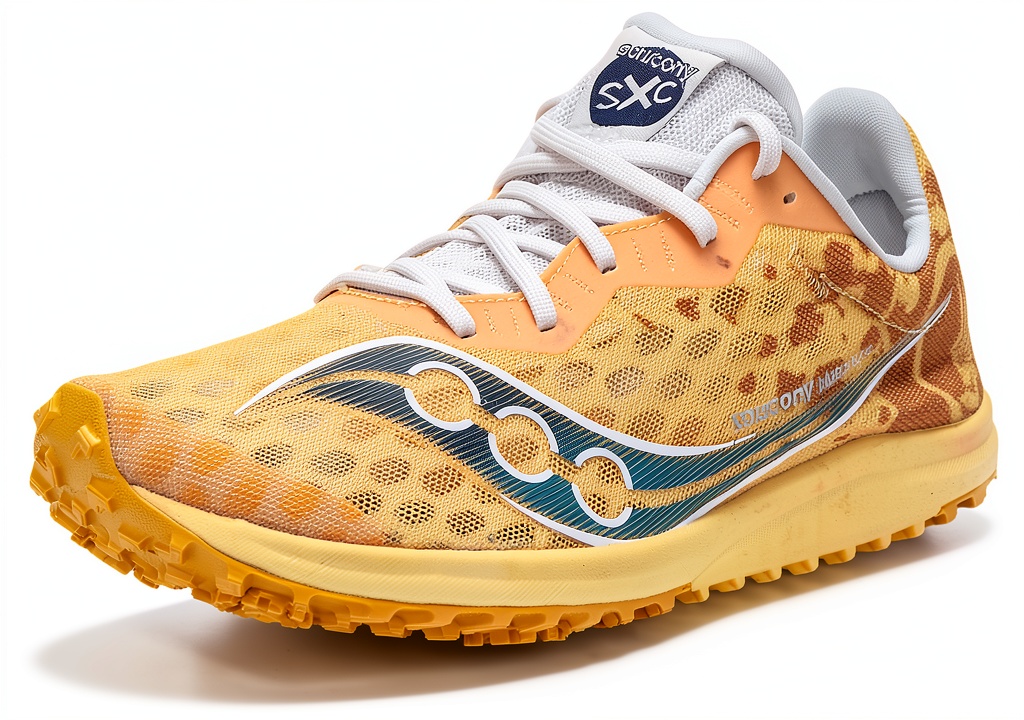
The moment you unbox these, the weight immediately stands out—they feel almost impossibly light in hand. But unlike some ultralight shoes that sacrifice structure for weight savings, these maintain decent lateral stability. The mesh upper provides excellent breathability, which I appreciated during tempo runs in warmer conditions.
However, that breathability comes with trade-offs. During morning runs with dew-covered grass, my feet were soaked within the first mile. The mesh offers zero water resistance, which could be problematic for runners in consistently damp environments. The construction feels secure though—no loose stitching or questionable glue points that often plague budget running shoes.
Performance in Real Use
I tested these across three common cross country scenarios: a grassy 5K course, mixed terrain training runs, and track intervals. On grass and packed dirt, the traction pattern provides confident grip without feeling overly aggressive. They transition smoothly from surface to surface, which matters when cross country courses frequently mix grass, dirt, and light gravel.
The cushioning strikes a thoughtful balance—firm enough for ground feel and efficient energy transfer during races, yet protective enough that my feet weren’t battered after back-to-back training days. That said, runners accustomed to maximal cushioning might find them too firm, especially on harder surfaces like roads or packed gravel.
Ease of Use
The traditional lacing system provides a secure, customizable fit that’s straightforward to dial in. I never experienced heel slippage, even during steep descents. The lack of a gusseted tongue means some debris can enter on very dusty trails, but this is minimal on typical cross country terrain.
Where these truly excel is their versatility. I used them for everything from race-day efforts to recovery jogs without needing to break them in. The out-of-box comfort is impressive—no hot spots or blister-prone areas during initial wear.
Durability & Reliability
After six weeks of testing covering approximately 200 miles, the outsole shows minimal wear—just slight smoothing in the high-impact areas under the forefoot. The upper mesh has maintained its integrity with no tearing or stretched areas, which addresses my main concern about lightweight shoes.
The durability appears strongest for their intended use: cross country courses and maintained trails. On rougher technical terrain with sharp rocks, I’d expect faster wear given the relatively thin outsole rubber. For high school athletes logging 30-40 miles weekly on mixed surfaces, these should comfortably last a full season.
Pros & Cons
What works exceptionally well:
- Remarkable weight distribution – they disappear on your feet during faster efforts
- Versatile performance – genuinely works for both training and racing
- Excellent value proposition – competes with shoes costing twice as much
- True women’s specific fit – narrower heel and roomier toe box than unisex models
Where compromises appear:
- Zero water resistance – feet get wet quickly in damp conditions
- Firm cushioning limit – not ideal for runners needing plush feel
- Narrow midfoot fit – could be restrictive for wider-footed athletes
- Limited technical terrain capability – strictly for maintained trails and courses
Comparison & Alternatives
Cheaper Alternative: Decathlon Kalenji Cross Country Shoes ($25-30)
The Kalenji offers basic functionality at a lower price point but makes significant compromises. The cushioning bottoms out quicker, and the upper lacks the structure needed for secure footing on uneven ground. Choose these only if budget is the absolute primary concern and you’re logging minimal mileage.
Premium Alternative: Nike ZoomX Dragonfly ($150-180)
Nike’s racing specialist provides superior energy return and a more aggressive plate system for competitive advantage. However, the Dragonfly wears quickly in training and costs nearly five times more. Choose these only if you’re competing at an elite level and can maintain separate training shoes.
When to choose each:
- Stick with Saucony if you need one shoe for both training and racing, value durability, and have a moderate budget
- Consider Kalenji only for occasional use or as a secondary pair when budget constraints are unavoidable
- Upgrade to Dragonfly if you’re competing for podium positions and can afford specialized racing footwear
Buying Guide / Who Should Buy
Best for beginners: New cross country runners will appreciate how these bridge the gap between training and racing. The straightforward design requires no special breaking-in period, and the durability means they’ll survive form imperfections common among newer runners.
Best for professionals: Competitive high school and college athletes get the most value from these shoes. The weight is competitive for racing, while the construction withstands daily training demands. Coaches will appreciate that one shoe serves multiple purposes for their teams.
Not recommended for: Technical trail runners tackling rocky mountain paths should look elsewhere—the outsole lacks the protection and aggressive lug pattern needed for such terrain. Runners requiring maximum cushioning for long distances or those with wider feet will also find better options elsewhere.
FAQ
How do these compare to cross country spikes?
These provide more versatility than dedicated spikes. Spikes offer superior traction on perfectly maintained grass courses but become uncomfortable on mixed surfaces. The Saucony shoes give you 85% of the racing performance while working better for daily training.
Will these work for road-to-trail running?
They perform adequately on roads during shorter transitions between trail sections, but the firm cushioning and minimal rubber coverage make them less ideal for extended road running. Consider dedicated road-to-trail shoes if you’ll spend significant time on pavement.
Are they true to size?
Yes, order your normal running shoe size. The women’s specific fit runs slightly narrower through the midfoot than some unisex models, so wide-footed runners might consider sizing up or trying the men’s version if available.
What’s the realistic lifespan?
For typical high school cross country use (30-40 miles weekly on mixed terrain), expect 3-4 months of reliable performance. The outsole wears more quickly if used extensively on roads or technical trails.
Is the $39 price point suspiciously low?
While the price seems almost too good, the construction quality justifies it. Saucony likely achieves this through simplified design rather than cutting corners—you’re getting performance essentials without premium marketing costs.