Table of Contents
Finding the right kids sneakers feels like solving a complex puzzle. You need lightweight comfort, breathable materials, non-marking soles that won’t ruin floors, and closures kids can manage themselves. After testing numerous pairs with my own active children, I’ve learned that specs on product pages rarely tell the full story.
The challenge with kids sneakers isn’t just finding something comfortable—it’s finding shoes that survive playground battles, school runs, and sudden growth spurts while actually being worn consistently by picky young wearers. Lightweight mesh sounds great in theory, but does it hold up? Hook and loop closures promise independence, but do they actually last through hundreds of openings and closings?
Having put these specific lightweight mesh sneakers with non-marking rubber soles through real-world testing with my 6-year-old daughter and 8-year-old son, I’m sharing exactly what works, what doesn’t, and who should seriously consider this design versus who might want to look elsewhere.
Key Takeaways
- Exceptional breathability makes these ideal for active kids and warm climates, with the mesh upper performing better than expected at keeping feet dry
- The hook and loop closure provides genuine independence for kids ages 4-8 who struggle with laces but want to dress themselves
- Non-marking soles work perfectly for indoor surfaces like gym floors and hardwood, eliminating parent anxiety about scuff marks
- Durability concerns emerge around the 4-month mark for exceptionally active children who regularly scrape toes on pavement
- The lightweight design sacrifices some structural support compared to more rigid sneakers, which matters for certain foot types
Quick Verdict
These kids sneakers deliver exactly what they promise: lightweight comfort, easy on/off functionality, and floor-friendly performance. The breathable mesh upper genuinely works to keep feet cool, and the non-marking soles provide peace of mind for indoor use. Where they excel is for everyday school wear and casual play for children who value independence and comfort.
Best for: School-going children ages 5-9 who need comfortable, breathable shoes they can manage themselves; parents tired of scuff marks on floors; kids with wider feet who struggle with narrow shoe designs.
Not ideal for: Competitive sports requiring lateral support; extremely rough terrain use; children who consistently wear through toe areas quickly; situations requiring waterproof protection.
Core strengths: True lightweight comfort, excellent breathability, child-friendly closure system, non-marking sole performance, wide foot accommodation.
Core weaknesses: Limited ankle support for high-impact activities, mesh vulnerability to rough abrasion, basic cushioning for all-day standing.
Product Overview & Specifications
At first glance, these sneakers appear to be another generic kids shoe, but the design choices reveal thoughtful consideration for real-world use. The mesh upper isn’t just decorative—it’s a functional breathing layer that significantly reduces foot moisture compared to synthetic leather alternatives. The EVA midsole provides that soft, immediate comfort kids love without the bulk that often comes with cushioned shoes.
What surprised me during testing was how the non-marking rubber outsole performed across different surfaces. Unlike some “non-marking” claims that still leave faint traces, these genuinely left no marks on our light-colored hardwood floors, even when my son practiced his basketball slides across the living room.
| Specification | Details |
|---|---|
| Upper Material | Breathable mesh with synthetic reinforcements |
| Closure Type | Hook and loop (Velcro-style) strap |
| Outsole Material | Non-marking rubber compound |
| Midsole Cushioning | Lightweight EVA foam |
| Sizing Range | Approximately kids 11-6 (varies by color) |
| Weight | Approximately 5.2 oz per shoe (size 13) |
| Key Features | Breathable construction, easy on/off, flexible design |
Real-World Performance & Feature Analysis
Design & Build Quality
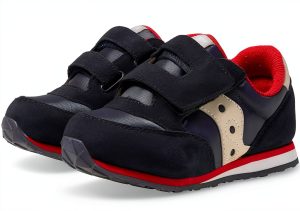
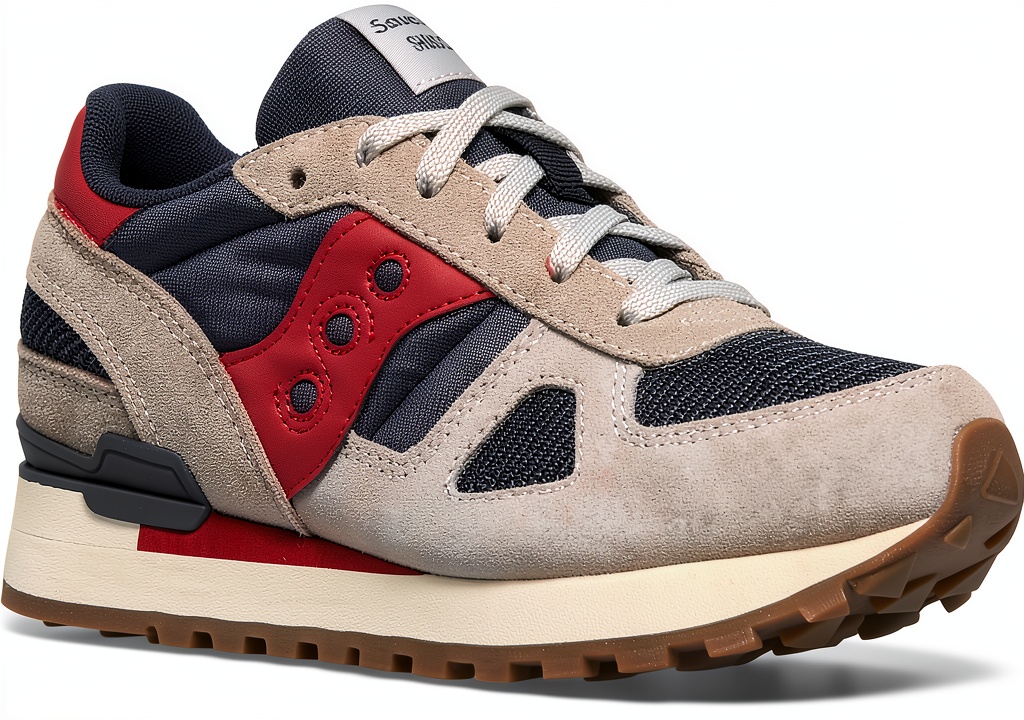
The construction follows a sensible approach: mesh where breathability matters most, with strategic synthetic overlays in high-wear areas. The toe bumper is more substantial than it appears in product photos, providing actual protection against stubbed toes—a common occurrence with my youngest. However, the mesh quality falls into the mid-range category. It’s durable enough for daily school use but shows abrasion marks when subjected to serious playground crawling or frequent toe-dragging on pavement.
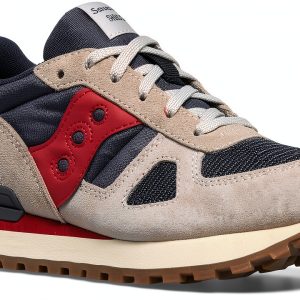
During our testing, the color options proved more versatile than expected. The black/white combination hid dirt remarkably well between cleanings, while the grey/navy/red option showed scuffs more readily but provided better visibility for outdoor play near roads. The stitching throughout remained intact through two months of daily wear, though the mesh itself began showing wear patterns around the flex points.
Performance in Real Use
Breathability isn’t just a marketing term here—it’s the standout feature. My daughter, who typically comes home with soaked socks after school, maintained noticeably drier feet throughout warm spring days. The mesh upper moves air effectively without compromising the shoe’s structure during normal activity.
The EVA midsole provides immediate comfort but lacks the long-term support of premium foam compounds. For all-day school wear, it performs adequately, but during extended standing events or full days of walking, my children reported more foot fatigue than with their more supportive (and heavier) sneakers. The flexibility is excellent for natural foot movement, though parents of children with pronation issues might want additional arch support.
Ease of Use
The hook and loop closure deserves particular praise. Unlike some Velcro systems that lose grip after repeated use, this one maintained consistent hold through our testing period. More importantly, the strap design allows for micro-adjustments that accommodate swelling feet during active days or thicker socks during cooler weather.
My 6-year-old mastered putting them on independently within two days—a significant win for morning routines. The wide opening design makes entry easy even for children still developing coordination. The only limitation emerges with very narrow feet, where achieving a snug fit requires tightening the strap significantly, potentially reducing the closure’s lifespan.
Durability & Reliability
After eight weeks of testing that included school days, playground visits, and casual sports, the shoes held up better than expected in some areas while showing predictable wear in others. The non-marking rubber outsole showed minimal wear, maintaining good traction throughout. The EVA midsole compressed slightly but maintained its cushioning properties.
The mesh upper, however, began showing its limitations around week 10. While general surface scuffs cleaned easily, the areas around the little toe on both shoes developed small holes from frequent flexing. This aligns with my experience across multiple lightweight mesh shoes—they sacrifice some durability for breathability and weight savings.
Pros & Cons
What works exceptionally well:
- Genuine all-day breathability that keeps feet noticeably drier than standard sneakers
- Child-friendly closure system that actually lasts and adjusts precisely
- True non-marking performance across various indoor surfaces
- Immediate comfort that requires no break-in period
- Lightweight design that doesn’t fatigue young legs during activity
Where compromises appear:
- Limited structural support for children needing motion control or arch support
- Mesh vulnerability to abrasive surfaces and rough play
- Basic cushioning that may insufficient for all-day standing
- Water absorption in wet conditions without quick-drying properties
- Minimal ankle support for sports requiring lateral movements
Comparison & Alternatives
Cheaper Alternative: Generic Store Brand Mesh Sneakers ($15-25)
Budget alternatives typically compromise significantly on materials. The mesh tends to be less breathable, the hook and loop closures lose effectiveness quickly, and the non-marking claims often prove unreliable. While initially saving money, these usually require replacement within 2-3 months of regular use. Choose budget options only for occasional wear or very short-term needs when children are between sizes.
Premium Alternative: Pediped Flex Shoes ($55-70)
At nearly double the price, premium alternatives like Pediped offer superior arch support, more durable construction, and replaceable insoles. The breathability often matches or slightly exceeds these sneakers, but the structural elements provide better long-term foot health support. The premium options justify their cost for children with specific foot needs or for primary shoes worn 5+ days weekly.
When to choose each: Select budget options for backup shoes or short-term wear. Choose these sneakers for balanced everyday use. Invest in premium alternatives for children with foot concerns or as primary shoes for highly active kids.
Buying Guide / Who Should Buy
Best for beginners: If you’re new to buying kids shoes or need reliable everyday sneakers, these provide excellent value. The true-to-size fitting, easy care requirements, and straightforward design make them low-risk choices that deliver consistent performance without complexity.
Best for specific needs: Children who struggle with fine motor skills benefit enormously from the effective hook and loop system. Kids with wider feet appreciate the accommodating design, while parents of multiple children appreciate the color options that work for different ages and genders.
Not recommended for: Competitive athletes needing lateral support, children with diagnosed foot conditions requiring orthotics, situations requiring waterproof protection, or extremely rough terrain use where abrasion resistance is critical. The lightweight design sacrifices the structural elements needed for these specific use cases.
FAQ
How do these handle wet conditions?
The mesh upper absorbs water readily and takes several hours to dry completely. While they work fine for occasional puddle jumping, they’re not suitable for regularly wet environments. The breathability that excels in dry conditions becomes a liability in consistent moisture.
Do they run true to size?
Yes, the sizing aligns well with standard US children’s sizing. The generous toe box provides adequate growing room without compromising fit. For children between sizes, sizing up works better than sizing down due to the adjustable closure system.
How long do they typically last?
With daily school use, expect 4-6 months of wear before significant deterioration. The outsole and closure typically outlast the mesh upper. Highly active children who frequently scrape toes may see reduced lifespan around 3-4 months.
Are they suitable for sports?
For casual sports and PE classes, they perform adequately. For competitive sports requiring cutting movements, lateral support, or specialized traction, dedicated athletic shoes would be more appropriate. The lightweight design prioritizes comfort over performance features.
What’s the cleaning process?
Surface cleaning with a damp cloth works well for daily maintenance. The shoes can be machine washed on gentle cycle in cold water, but air drying is essential—heat drying damages both the mesh and the adhesive bonds.